

Why Sustainable Development Is Shaping the Future of Island Living
Sustainable Development is becoming one of the most important principles guiding the future of real estate in fragile natural environments. As global awareness grows around climate change, ecosystem protection, and responsible land use, modern developments are increasingly designed to work with nature rather than against it.
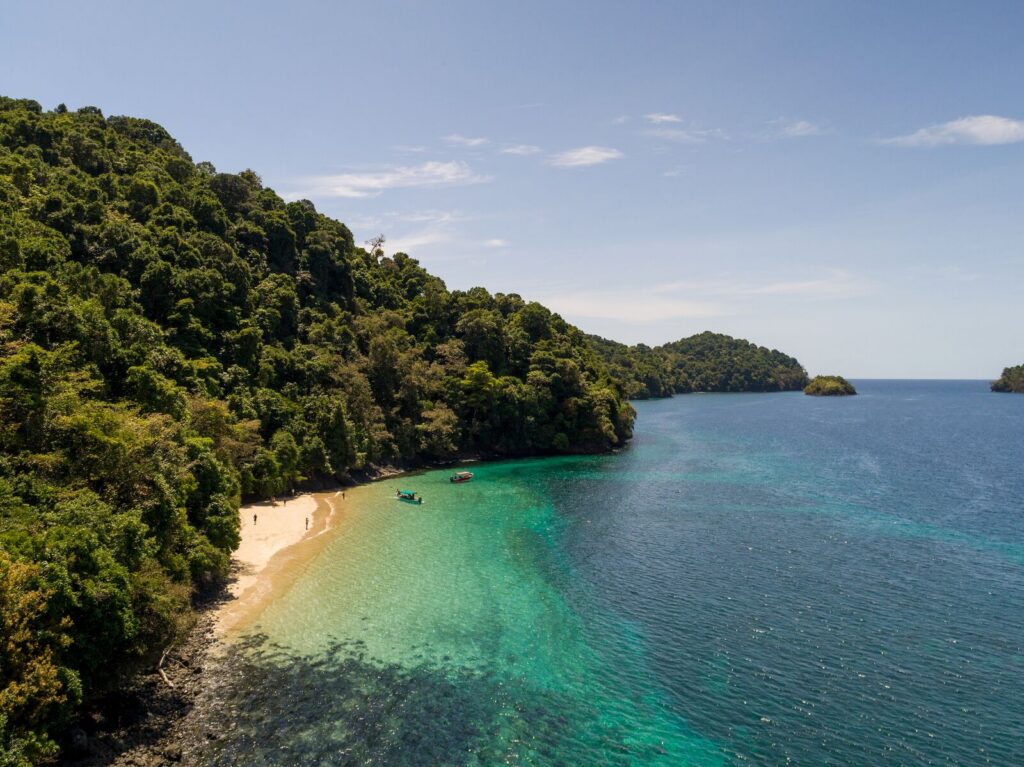
In island regions and tropical archipelagos, this approach becomes even more essential. These ecosystems contain delicate coastal habitats, unique biodiversity, and marine environments that require careful planning and responsible innovation. Because of this, forward thinking projects are embracing Sustainable Development strategies that combine modern technology with ecological awareness.
Instead of traditional construction models that rely heavily on external infrastructure, future developments are integrating renewable energy systems, intelligent water management, and environmentally responsible design. These innovations allow communities to operate efficiently while minimizing their ecological footprint.
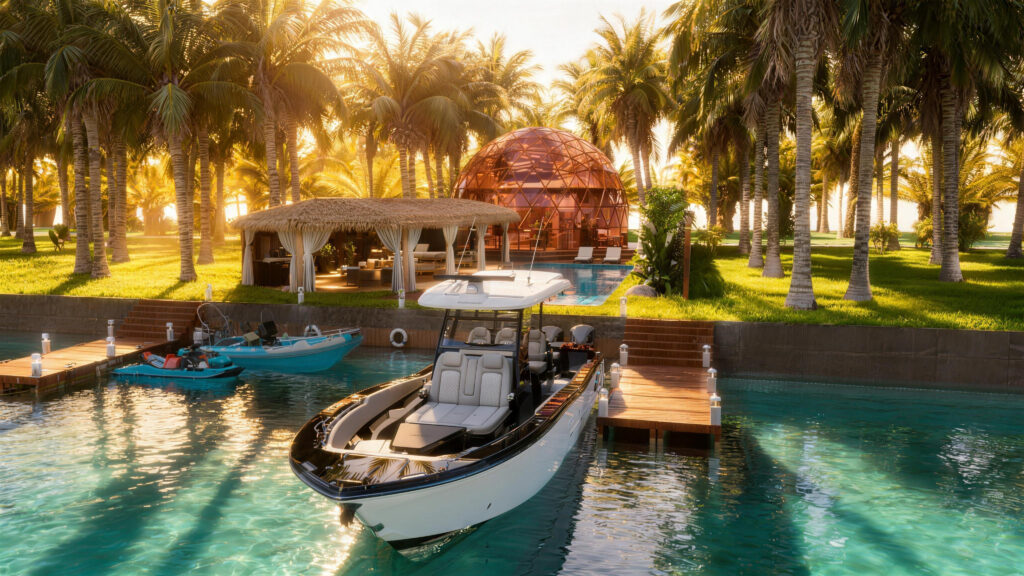
For emerging developments like Acqua Lodge, which is envisioned as a future project within a pristine archipelago environment, sustainability will not simply be a marketing concept. Rather, it will become a structural foundation for how the community is designed, built, and experienced.
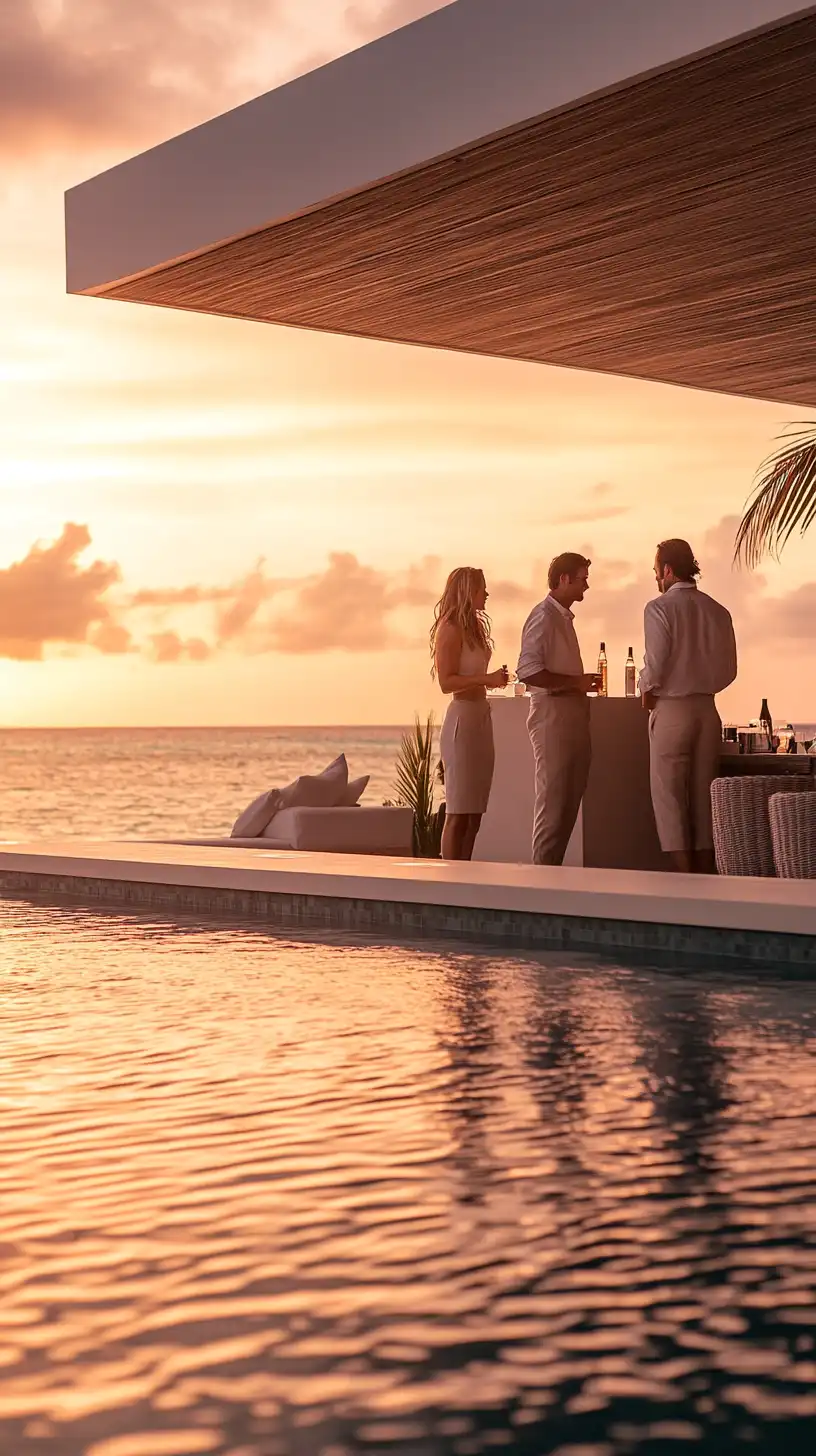
By integrating solar energy, water conservation technologies, and eco conscious architecture, developments inspired by Sustainable Development principles can create spaces where residents and visitors enjoy luxury while respecting the natural beauty that surrounds them.
Sustainable Development and the Responsibility of Building in Island Ecosystems
Sustainable Development in island communities requires a deep understanding of the local environment. Tropical archipelagos are complex systems where land, sea, weather patterns, and ecosystems interact continuously.
Traditional urban development models often fail in these environments because they rely heavily on centralized infrastructure such as large power grids, municipal water systems, and intensive construction practices. However, modern sustainable planning approaches prioritize resilience and adaptability.
By studying the natural landscape, architects and planners can position buildings to maximize natural ventilation, sunlight, and shade. These strategies reduce the need for artificial climate control while improving comfort and energy efficiency.
Additionally, protecting mangroves, coral reefs, and coastal vegetation becomes a central part of Sustainable Development strategies. These natural barriers protect shorelines from erosion, support marine life, and help maintain the health of surrounding waters.
When development is designed with ecological balance in mind, the result is a community that feels integrated into the environment rather than imposed upon it.
Solar Energy and Renewable Power in Sustainable Development
One of the most important technologies supporting Sustainable Development in modern communities is solar energy. Tropical regions receive abundant sunlight throughout the year, making solar power one of the most efficient renewable resources available.
By installing solar panels across rooftops, shared infrastructure, and community energy systems, developments can significantly reduce their reliance on fossil fuels. Solar power can support lighting, climate control systems, water pumps, and various electrical needs within the community.
In addition to traditional rooftop panels, many developments now incorporate battery storage systems that allow excess solar energy to be stored for use during the evening or on cloudy days. This creates a more stable and independent energy network.
Renewable energy solutions also reduce operational costs for residents over time. Because energy is produced locally, communities become less vulnerable to fluctuations in fuel prices or disruptions in external power grids.
These innovations demonstrate how Sustainable Development can combine environmental responsibility with long term economic efficiency.
Water Management Systems in Sustainable Development
Water is another critical resource in island environments, which is why intelligent water management plays a major role in Sustainable Development strategies.
Modern eco conscious communities often incorporate rainwater harvesting systems that capture and store rainfall for later use. This water can be filtered and used for landscaping, cleaning, and other non potable purposes, reducing pressure on natural freshwater reserves.
Greywater recycling systems are also becoming increasingly common. These systems collect water from sinks, showers, and laundry facilities, then treat it for reuse in irrigation or other secondary applications.
In addition, developments can integrate natural filtration landscapes such as constructed wetlands or vegetated channels. These systems allow water to be purified naturally before returning to the environment.
Through these technologies, Sustainable Development ensures that communities use water responsibly while protecting the surrounding ecosystem.
Eco Conscious Architecture and Sustainable Development
Architecture plays a central role in successful Sustainable Development projects. Buildings designed for tropical environments must respond to the climate, natural light patterns, and airflow of the region.
Modern eco-friendly architecture often incorporates large overhangs, shaded terraces, and cross ventilation systems that allow fresh air to circulate throughout the home. These design choices reduce the need for energy intensive air conditioning.
Natural materials such as sustainably sourced wood, stone, and recycled materials are also commonly used in environmentally responsible construction. These materials blend naturally with the surrounding landscape while reducing the carbon footprint associated with traditional building materials.
Many sustainable homes also feature green roofs or vegetation covered areas that help regulate temperature and improve insulation.
Through thoughtful architectural design, Sustainable Development creates homes that are both beautiful and environmentally efficient.
Waste Reduction and Circular Systems in Sustainable Development
Another key component of Sustainable Development is waste management. Traditional development often generates large amounts of construction waste and long term environmental impact.
Modern sustainable communities are beginning to implement circular systems that reduce waste and reuse materials whenever possible. Recycling programs, composting systems, and responsible construction practices help minimize the environmental footprint of the development.
Construction planning can also reduce waste by using modular designs or prefabricated components that require fewer raw materials.
These systems ensure that communities maintain cleanliness and environmental balance while promoting responsible resource use.
By integrating waste reduction strategies into the design process, Sustainable Development promotes a more efficient and environmentally conscious way of living.
Beyond environmental protection, Sustainable Development also creates long term value for real estate projects. As global awareness of sustainability increases, buyers and investors are increasingly drawn to properties that demonstrate ecological responsibility.
Communities designed with renewable energy systems, efficient infrastructure, and environmental protections often maintain stronger market appeal over time. Buyers recognize that these developments are built to remain resilient in the face of changing environmental and economic conditions.
Additionally, governments and international organizations are encouraging sustainable building practices through incentives, environmental certifications, and green financing opportunities.
Because of this, developments that embrace Sustainable Development are not only protecting natural environments but also strengthening their long term investment potential.
The Role of Sustainable Development in Future Archipelago Communities
Looking ahead, Sustainable Development in archipelago communities will likely become the standard rather than the exception. As population growth and tourism increase in coastal regions, responsible planning will be essential for preserving natural ecosystems.
Future developments will increasingly rely on renewable energy, smart water systems, and environmentally responsible infrastructure to maintain ecological balance.
Communities that successfully combine luxury living with environmental stewardship will set the benchmark for how tropical destinations grow sustainably.
By integrating advanced eco technologies with thoughtful design, developments inspired by Sustainable Development principles can offer residents a lifestyle that is both comfortable and environmentally respectful.
As the world moves toward more responsible and environmentally conscious development models, Sustainable Development is emerging as the guiding philosophy for future communities especially in sensitive island environments.
By integrating renewable energy, intelligent water management, eco conscious architecture, and waste reduction systems, modern developments can create spaces that respect the delicate balance of tropical ecosystems.
For future projects envisioned within archipelagos, sustainability is not only an environmental responsibility but also a strategic advantage. Communities built with these principles provide long term resilience, operational efficiency, and enhanced quality of life for residents.
Ultimately, Sustainable Development allows modern architecture and natural landscapes to coexist in harmony. When planning is done thoughtfully, communities can grow without sacrificing the beauty, biodiversity, and tranquility that make island environments so extraordinary.
Projects inspired by these principles represent a new chapter in responsible real estate one where innovation, sustainability, and lifestyle come together to shape the future of coastal living.